Tulum at a Glance
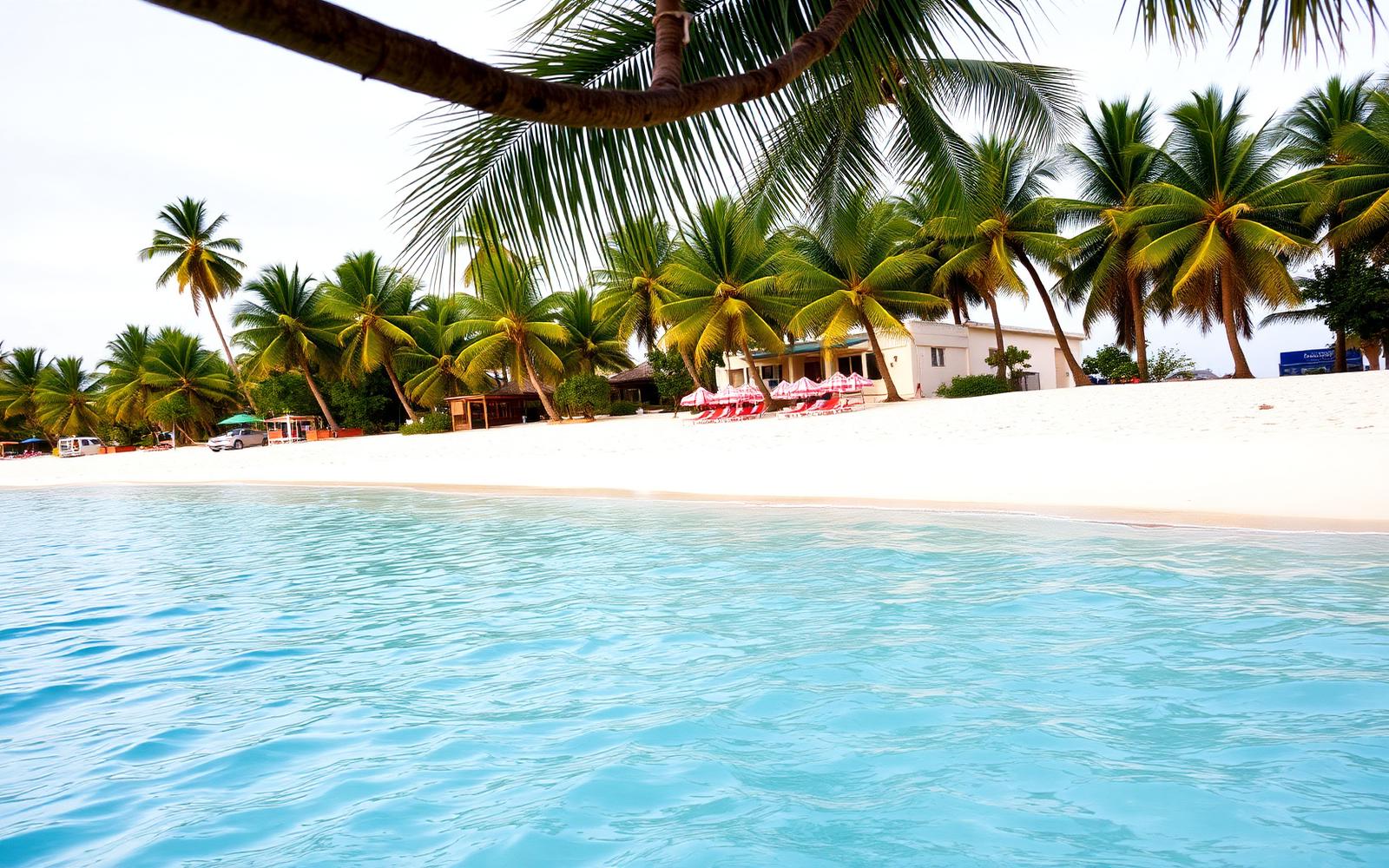
Tulum is two places at once. There is the pueblo — an ordinary, growing Mexican town on Highway 307 where most residents live and where prices are reasonable. And there is the beach zone, a ten-kilometre strip of sand between the sea and the Sian Ka'an reserve, lined with low-rise hotels built into the jungle.
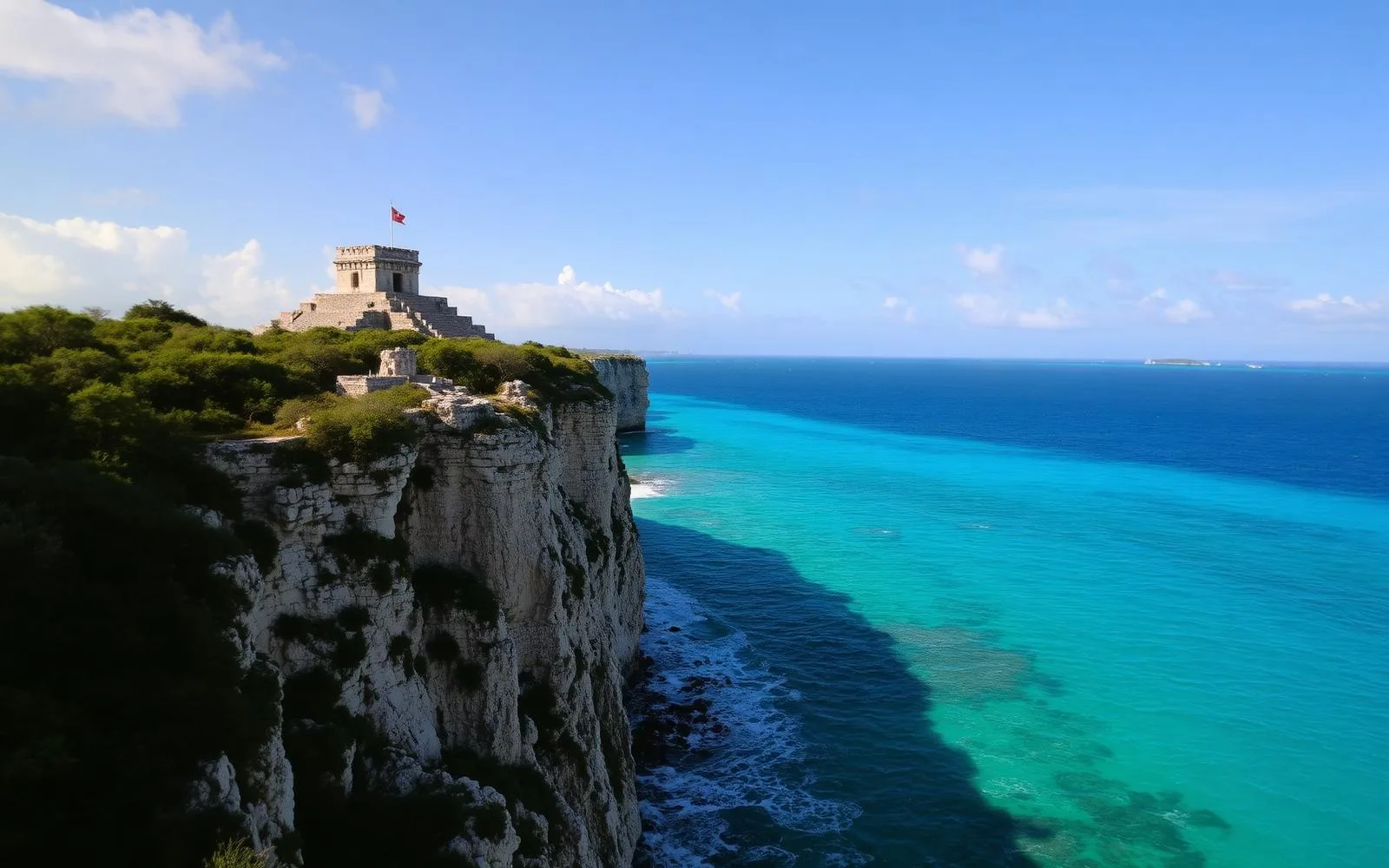
Between them sits the reason the name is known worldwide: a walled Maya city perched on a limestone cliff above the Caribbean, the most photographed archaeological site in Mexico after Chichen Itza.
Tulum rewards travellers who slow down. The cenotes inland, the biosphere reserve to the south and the archaeological sites to the west are the substance of the destination; the beach clubs are only its surface.
The History of Tulum
Tulum, originally called Zama — 'city of dawn' — was a walled port that flourished between the 13th and 15th centuries, late in Maya history. Its position on the cliff made it a lookout and a trading hub for obsidian, jade, cotton and cacao moving along the coast by canoe.
The wall that gives the modern name its meaning (tulum means 'wall' or 'fence' in Yucatec Maya) enclosed the ceremonial core on three sides, with the sea as the fourth defence. Only elites lived inside; the wider population lived in perishable structures outside it.
Spanish expeditions sighted the city in 1518, describing a settlement as large as Seville. Occupation continued into the colonial period before the site was abandoned, and it later played a role in the Caste War of the 19th century as a refuge for Maya rebels.
Where Is Tulum?
Tulum lies at the southern end of the Riviera Maya in Quintana Roo, 130 km (81 miles) south of Cancun International Airport and roughly 63 km (39 miles) south of Playa del Carmen.
The Felipe Carrillo Puerto International Airport (TQO), opened just west of town, now offers a much shorter transfer for travellers arriving directly.
South of the beach zone the road enters the Sian Ka'an Biosphere Reserve, a UNESCO World Heritage Site of wetlands, mangroves and lagoons that halts development along the coast.
Why Visit Tulum
Maya ruins above the sea
No other Maya archaeological site combines architecture, cliff and Caribbean water in the same frame.
The densest cenote country in Mexico
Dos Ojos, Gran Cenote, Calavera and dozens of others sit within twenty minutes of town.
Sian Ka'an on the doorstep
A 6,500 km² UNESCO reserve of mangrove channels, lagoons and reef, immediately south of the hotel zone.
A slower, low-rise coast
Building height restrictions in the beach zone mean jungle canopy rather than towers.
A base for inland Maya sites
Coba, Muyil and Chichen Itza are all reachable from Tulum on day trips.
Things to Do in Tulum
Visit the Tulum archaeological zone
Arrive at opening time to walk the site before the heat and the tour groups. Allow ninety minutes and bring sun protection — there is almost no shade.
Dive or snorkel Dos Ojos
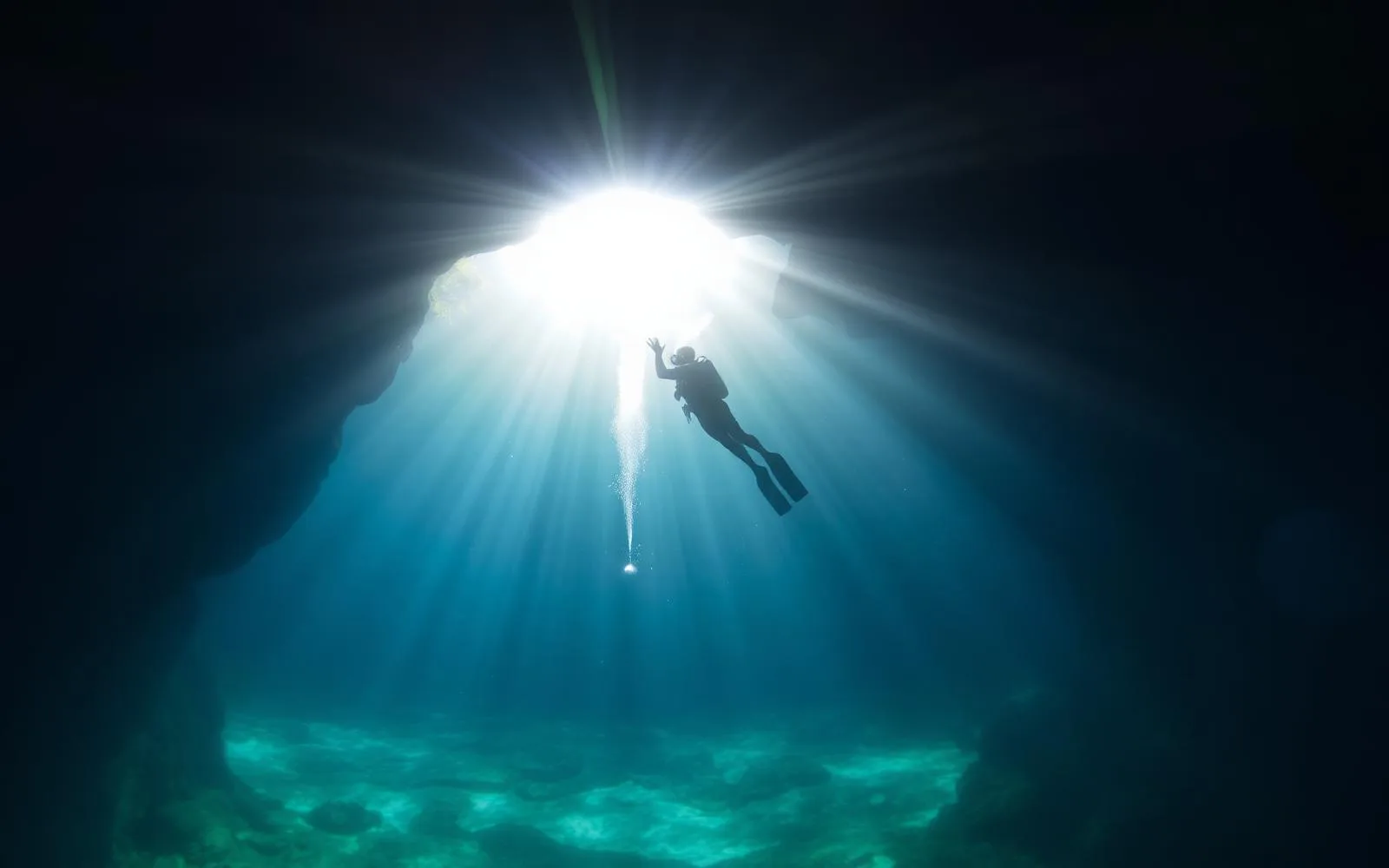
One of the world's most famous cavern systems, with two connected sinkholes and remarkable light beams in the morning.
Explore Gran Cenote
Open water, swimming turtles and a partially covered cavern make this the most beginner-friendly cenote near Tulum.
Take a boat through Sian Ka'an
Guided trips from Muyil float visitors down a natural mangrove canal once used as a Maya trade route.
Climb Coba's Nohoch Mul area
A jungle-covered city with sacbes (raised white roads) and a very different atmosphere from coastal Tulum.
Cycle the beach road
Renting a bicycle is the practical way to cover the hotel zone without depending on taxis.
Best Beaches in Tulum
Playa Paraiso
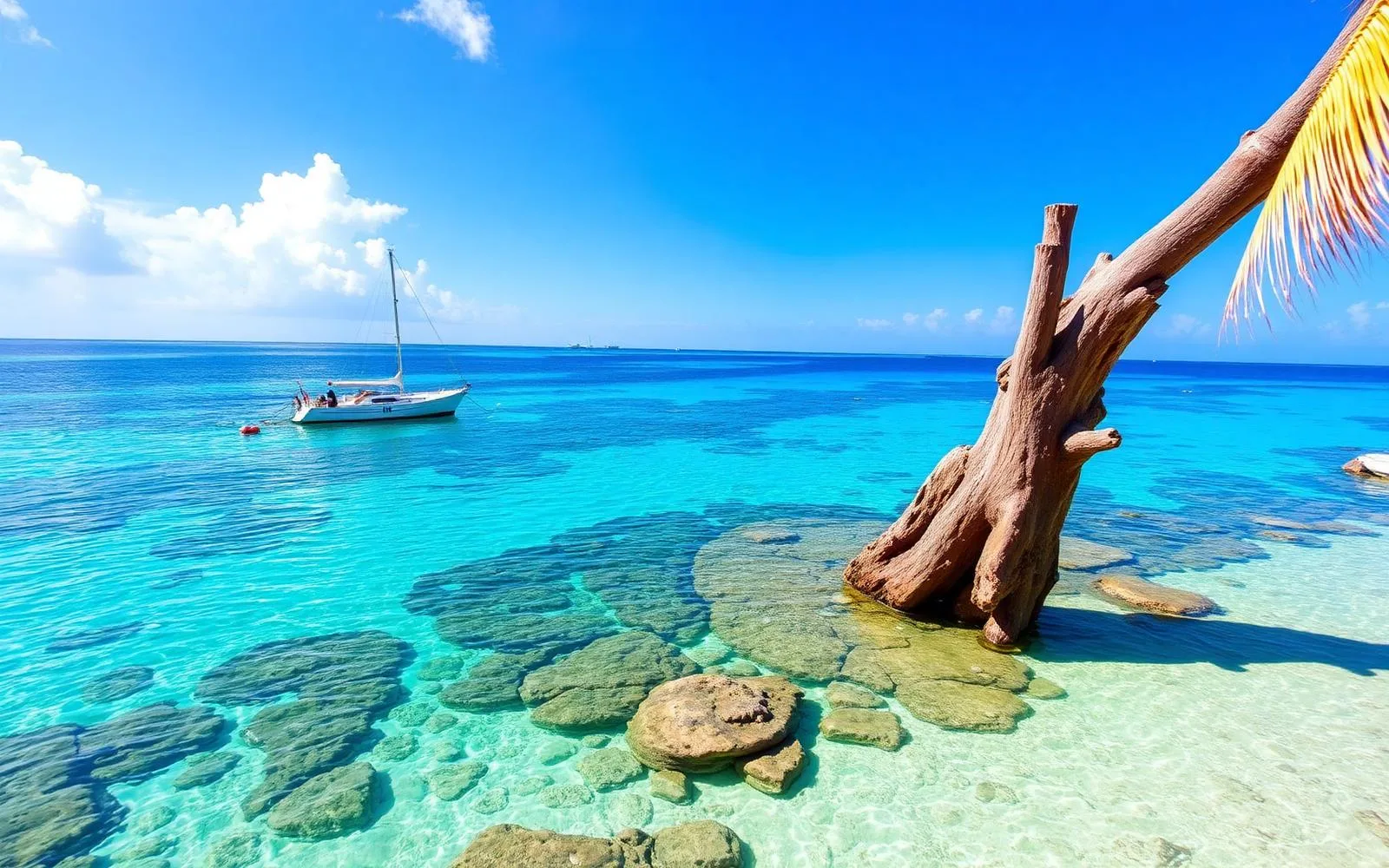
The classic postcard beach just south of the ruins, with pale sand and shallow turquoise water.
Playa Ruinas
Below the archaeological site itself, offering the famous view of the Castillo from the sand.
Playa Las Palmas
One of the few genuinely public access points in the hotel zone, popular with residents.
Playa Santa Fe
A quieter northern stretch with wide sand and easy parking.
Boca Paila
At the southern end toward Sian Ka'an, almost undeveloped and often empty.
Cenotes Near Tulum
Gran Cenote
Open pools and a cavern with resident turtles, ideal for first-time snorkelers.
Dos Ojos
Two enormous connected sinkholes with world-class cavern diving and easy snorkeling lines.
Cenote Calavera
Also known as the Temple of Doom, with three openings in the rock used as jump points.
Cenote Zacil-Ha
A small, shallow open cenote close to town that suits families.
Cenote Carwash (Aktun Ha)
Open water rich in aquatic plants and small fish, popular for its unusual freshwater ecosystem.
Casa Cenote
A mangrove-lined open channel where fresh water meets the sea, with a resident crocodile that locals know by name.
Nature and Landscapes
- Sian Ka'an protects wetlands, coastal dunes, mangroves, tropical forest and a section of the barrier reef in a single continuous reserve.
- The Tulum area sits over the Sac Actun and Dos Ojos cave systems, among the longest underwater caves ever mapped.
- Jaguars, tapirs, spider monkeys and howler monkeys survive in the protected forest inland, though sightings are rare.
- Flamingos, roseate spoonbills, frigatebirds and dozens of migratory species use the coastal lagoons through the winter.


Marine Life
Sea turtles
Green turtles graze the seagrass beds; loggerheads nest on Tulum's beaches from May to October.
Freshwater cave fauna
Blind cave fish, freshwater shrimp and small tetras live in the cenote systems.
Reef fish
The barrier reef offshore holds snapper, grunts, angelfish and the occasional nurse shark.
Dolphins and manatees
Bottlenose dolphins are common in Sian Ka'an's lagoons, and manatees are occasionally sighted in the reserve's quiet channels.
Culture and Traditions
- Tulum's Maya heritage remains living rather than archaeological: Yucatec Maya is spoken in surrounding communities and traditional agriculture continues inland.
- Temazcal ceremonies, a pre-Hispanic steam ritual, are widely offered — choose operators working with genuine local practitioners.
- The town hosts a growing arts and music scene, with galleries and independent venues concentrated in the pueblo rather than the beach zone.
- Traditional Maya crafts including embroidery, beadwork and carved wood are sold at cooperative markets on the road to Coba.
Local Gastronomy
Poc chuc
Grilled pork marinated in sour orange, served with pickled onion and black beans — a Yucatecan staple.
Tikin xic
Whole fish rubbed with achiote and grilled in banana leaf, best eaten near the coast.
Panuchos and salbutes
Fried tortilla antojitos topped with turkey, avocado and habanero salsa, sold in the pueblo's evening markets.
Chaya drinks
A leafy Maya green blended with pineapple or lime, sold as a refreshing local juice.
Yucatecan honey
Produced by the stingless melipona bee, a species kept by the Maya for millennia.
Weather in Tulum
- Tulum is hot and humid year-round, averaging 27 °C (81 °F), with sea temperatures rarely dropping below 25 °C.
- December to March brings the mildest conditions and occasional northern wind fronts known as nortes.
- Rain concentrates between June and October, usually in short afternoon storms.
- Mosquitoes are most active in the jungle and near Sian Ka'an during and after the rainy season.
- Cenote water stays around 24–25 °C all year, which feels cool against the tropical air.
Best Time to Visit Tulum
December to March
Dry, comfortable and the peak of the season. Book accommodation and tours well in advance.
April to June
Hotter and greener, with fewer visitors at the ruins and lower prices before the summer rush.
July and August
Busy with families, warm water and good whale shark access to the north.
September and October
Lowest prices and thinnest crowds, with the highest chance of rain and some seasonal closures.
How to Get to Tulum
From Cancun International Airport
Approximately 1 hour 45 minutes by road on Highway 307. Private transportation is the simplest option for the direct trip.
From Tulum Airport (TQO)
Around 25 minutes from the terminal to the hotel zone.
From Playa del Carmen
About 50 minutes south by road.
Getting around
The pueblo and the beach zone are 4 km apart. Bicycles, taxis or a rental car are all practical; walking between the two is not.
Travel Tips
- Buy tickets for the archaeological zone at the official booth and arrive before 9am to avoid both crowds and heat.
- Many beach-zone businesses run on generators and accept cards inconsistently — carry cash.
- Rent a bicycle if you are staying on the beach road; taxi fares between the pueblo and hotel zone add up quickly.
- Use only biodegradable sunscreen and insect repellent before entering cenotes.
- Bring a light long-sleeve layer for evenings near the jungle to reduce mosquito bites.
Safety Tips
- Currents at the beaches south of the ruins can be strong when the wind is up; check flags and local advice.
- Do not enter cave passages beyond the daylight zone unless you hold a cave certification and dive with a qualified guide.
- Stay on marked paths in Sian Ka'an and keep a distance from crocodiles in coastal lagoons.
- Cycling the beach road after dark requires lights — the road is unlit and narrow in sections.
- Use pre-arranged transportation for late-night returns from the beach zone.
Interesting Facts About Tulum
- Tulum was one of the last cities built and inhabited by the Maya.
- The Castillo functioned as a navigational beacon; light passing through a window aligned boats with a gap in the reef.
- The name Zama means 'dawn', a reference to the site's east-facing position over the Caribbean.
- Sac Actun, the cave system beneath the area, exceeds 370 km of mapped passages.
- Sian Ka'an means 'origin of the sky' in Yucatec Maya.