Holbox at a Glance
Holbox is a 42-kilometre sandbar island separated from the northern Yucatan by the Yalahau lagoon. It has no paved roads, no cars and no large hotels — golf carts and bicycles move everyone and everything.
The water is different here. Because the island sits where the Caribbean meets the Gulf, the sea is shallow, warm and often milky-turquoise rather than crystalline, with sandbars you can walk out onto for hundreds of metres.
The whole island lies within the Yum Balam protected area, which is why development has stayed low and wildlife — flamingos, pelicans, whale sharks — is part of daily life.
The History of Holbox
Holbox, meaning 'black hole' in Yucatec Maya, refers to the dark water of the lagoon at the island's western end.
The Yalahau spring on the mainland side was reputedly used by pirates including Francisco de Molas to resupply fresh water in the 17th century.
The island was settled permanently in the 19th century by fishing families, and fishing remained its only industry until tourism began arriving in the 2000s.
Where Is Holbox?
Holbox lies off the northern coast of Quintana Roo, at the boundary between the Caribbean Sea and the Gulf of Mexico.
Ferries depart from Chiquila, about two and a half hours by road from Cancun International Airport, and take roughly 25 minutes.
The island is part of the Yum Balam Flora and Fauna Protection Area.
Why Visit Holbox
No cars
Sand streets and golf carts create a pace that is genuinely different from the mainland.
Whale sharks
From June to September the aggregation off Holbox is among the largest anywhere in the world.
Bioluminescence
On dark nights in summer, plankton light up the shallows near Punta Coco.
Flamingos and birdlife
Yum Balam shelters flamingos, pelicans, frigatebirds and hundreds of migratory species.
Shallow warm water
Sandbars you can wade far out onto, ideal for children.
Things to Do in Holbox
Swim with whale sharks
Regulated boat trips depart at dawn during the June to September season.
Take a three-island tour
Visits to Isla Pajaros for birdwatching, Isla Pasion and the Yalahau freshwater spring.
See bioluminescence
Best on moonless nights between roughly May and September, away from town lights.
Walk to Punta Cocos
The western tip, the island's best sunset spot and a bioluminescence viewing point.
Kayak the mangroves
Guided paddles through Yum Balam's channels reveal birds and juvenile fish nurseries.
Explore the street art
Murals across the village have become part of Holbox's identity.
Best Beaches in Holbox
Playa Holbox (main beach)
Shallow and calm, running east from the village with beach clubs and hammocks in the water.
Punta Cocos
Quiet, west-facing and the best sunset beach on the island.
Punta Mosquito
A long sandbar east of town with flamingo sightings and very shallow water.
Isla Pasion
A tiny uninhabited islet visited on boat tours.
Note on conditions
Seagrass and sargassum can accumulate seasonally; water is warm rather than crystal clear.
Cenotes Near Holbox
No cenotes on the island
Holbox is a sandbar without limestone cenote formations.
Yalahau spring
A freshwater spring across the lagoon, historically used by pirates and today a swimming stop on boat tours.
Mainland alternatives
The nearest cenotes are inland toward Kantunilkin and Valladolid, well over an hour from Chiquila.
Nature and Landscapes
- Yum Balam protects over 1,500 km² of mangrove, wetland, dune and marine habitat.
- Flamingos feed on the island's eastern flats, especially between April and October.
- Whale sharks congregate offshore in summer to feed on plankton and fish spawn.
- The island is a critical stopover for migratory birds crossing the Gulf of Mexico.


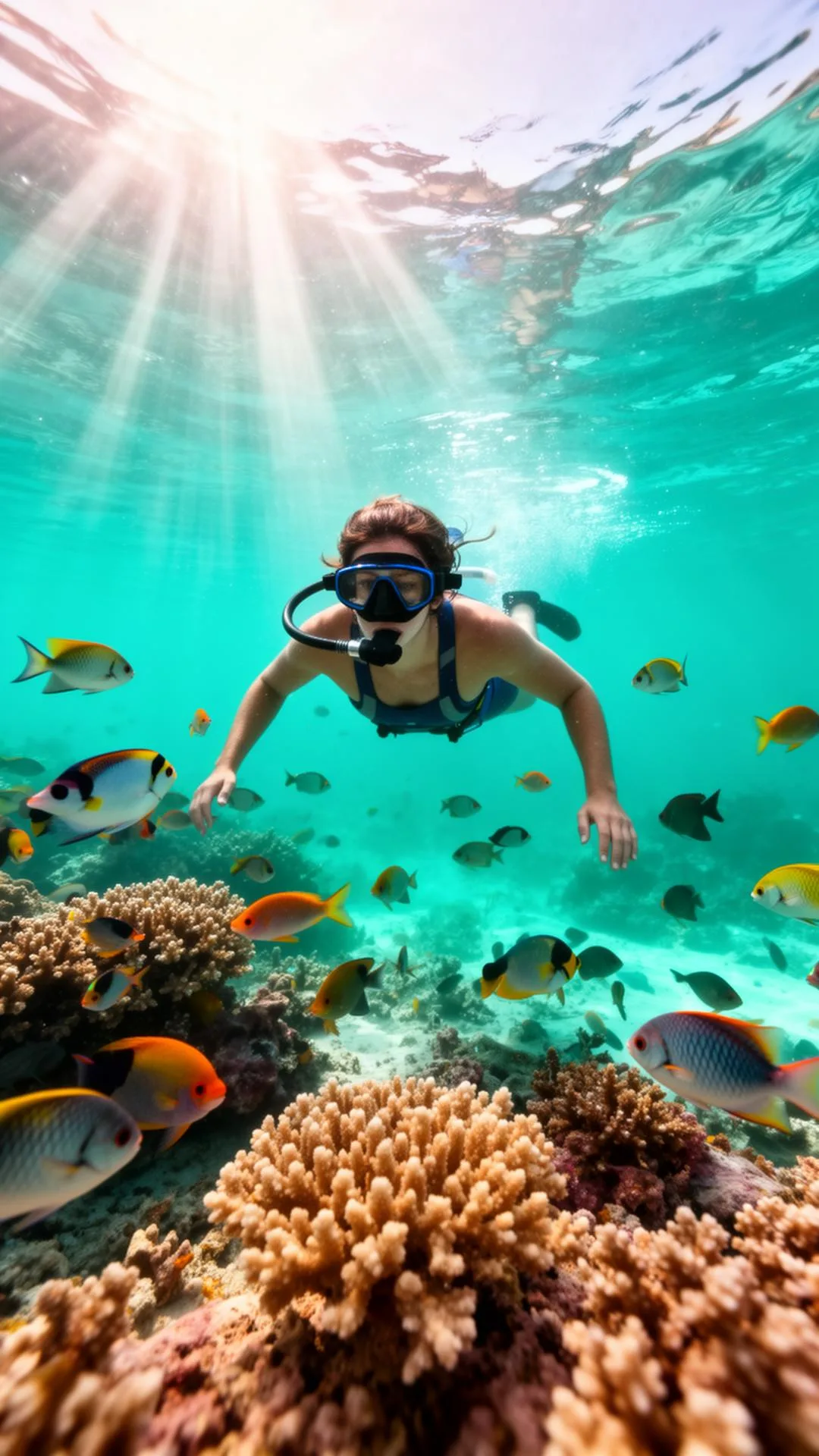
Marine Life
Whale sharks
The main seasonal draw, from June to September.
Manta rays
Often encountered alongside whale sharks in summer.
Dolphins
Resident pods are frequently seen on boat tours.
Flamingos and pelicans
Present year-round in varying numbers across the flats.
Bioluminescent plankton
Visible in warm months on dark nights near the western shore.
Culture and Traditions
- Holbox remains a fishing community first; lobster and shark fishing supported the island for generations.
- The village is small enough that most residents know each other, and community events centre on the main plaza.
- Street art and small galleries reflect a growing artistic community.
- Local cooperatives run most whale shark and wildlife tours, keeping income on the island.
Local Gastronomy
Lobster pizza
An unlikely island signature that has become a Holbox institution.
Fresh ceviche
Made with the day's catch, often served with plantain chips.
Fish tacos
Sold from small kitchens around the plaza.
Grilled octopus
Caught locally and cooked simply.
Fruit paletas
The standard afternoon relief from the heat.
Weather in Holbox
- Hot and humid, averaging 27 °C, with very warm shallow water year-round.
- The dry season runs November to April, though nortes can bring wind and grey days.
- Rain and humidity peak from June to October, coinciding with whale shark season.
- Mosquitoes are significant at dawn and dusk, especially near mangroves.
- Some businesses close in September and October, the quietest months.
Best Time to Visit Holbox
June to September
Whale shark season and bioluminescence, with warm water and more rain.
November to April
Drier and cooler, better for beach days and birdwatching.
May
A good compromise: warm, dry and quiet before the summer season begins.
How to Get to Holbox
From Cancun International Airport
About two and a half hours by road to Chiquila, then a 25-minute ferry.
From Playa del Carmen
Roughly three hours by road to Chiquila plus the ferry crossing.
Ferry schedule
Boats run roughly every 30 minutes during daylight; the last departures are in the early evening.
Getting around
Walking, bicycles and golf-cart taxis; cars must be left in Chiquila.
Travel Tips
- Leave your vehicle in a guarded lot in Chiquila; cars cannot cross to the island.
- Bring cash — ATMs on the island are limited and sometimes empty.
- Pack strong insect repellent, especially for evenings.
- Book whale shark trips with island cooperatives that follow the regulated swim protocol.
- Expect sand streets to flood after heavy rain; footwear matters more than usual.
Safety Tips
- Whale shark swims require no sunscreen, a life vest and no touching of the animals.
- Sun exposure on the flats is intense; the shallow water offers no relief from UV.
- Golf carts share sand streets with pedestrians — drive slowly.
- Follow guide instructions in mangrove areas where crocodiles are present.
- Check the last ferry time carefully if returning to the mainland the same day.
Interesting Facts About Holbox
- Holbox means 'black hole' in Yucatec Maya.
- The island has no paved roads and no traffic lights.
- It lies within Yum Balam, one of Mexico's largest protected areas.
- Whale sharks gather here in one of the biggest aggregations recorded anywhere.
- The Yalahau spring was reportedly used by pirates to refill water barrels.


